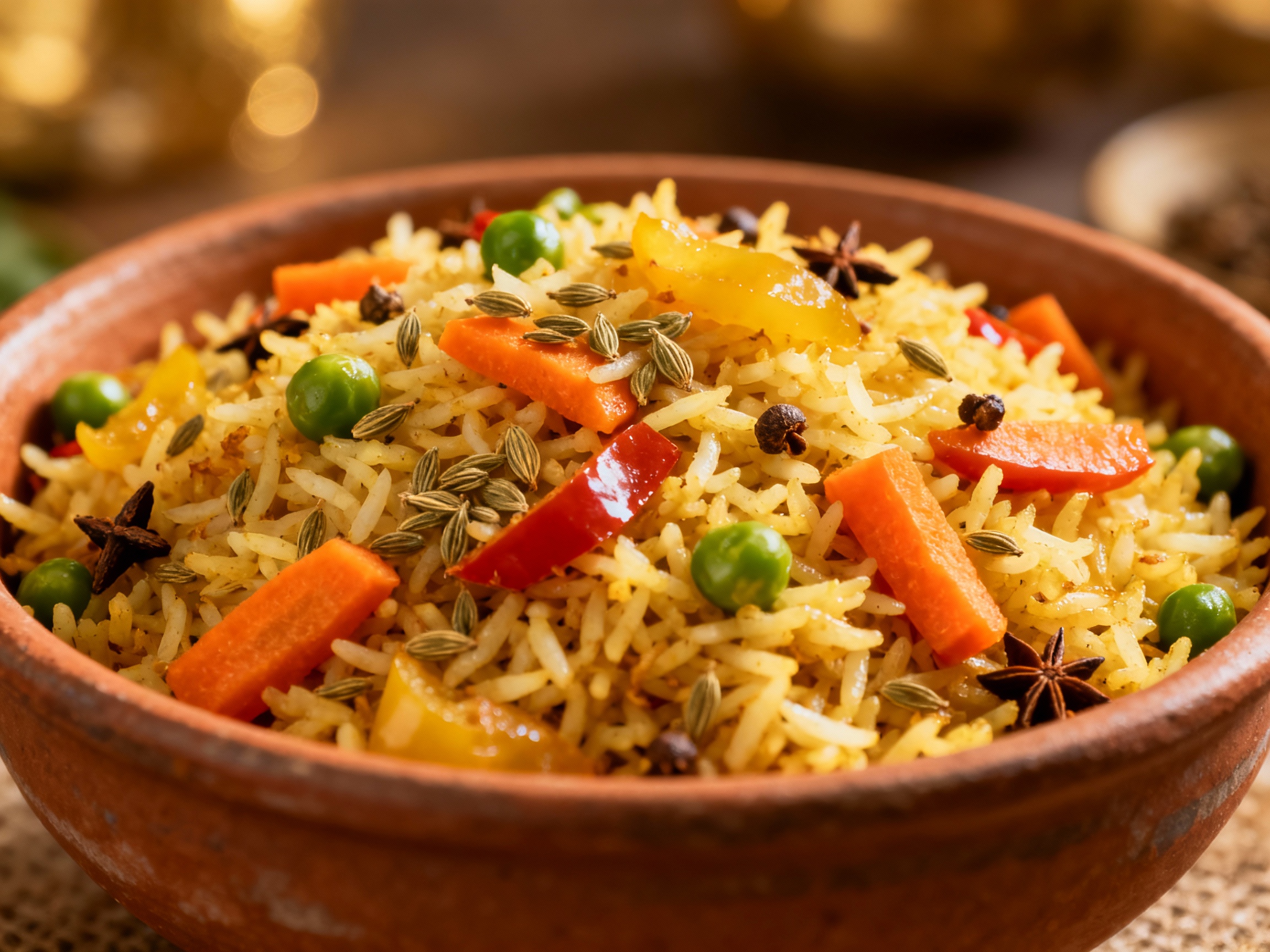
Biryani is not just a dish; it's an event, a celebration, and a labor of love. This iconic rice dish, with its layers of fragrant basmati rice, tender meat, and aromatic spices, represents the pinnacle of Indian and Persian culinary artistry.
The Art of Layering
What makes biryani special is the dum pukht cooking method—a technique where partially cooked rice and meat are layered in a heavy pot, sealed, and cooked over gentle heat. This allows the flavors to meld while the rice steams to perfection, absorbing the essence of the meat and spices below. Each grain of rice should be separate yet infused with flavor, while the meat should be so tender it falls off the bone.
The process begins with marinating meat in yogurt, ginger, garlic, and spices. Meanwhile, basmati rice is parboiled with whole spices until it's 70% cooked. The magic happens when these components are layered—meat at the bottom, rice on top, with garnishes of fried onions, fresh herbs, and saffron-infused milk drizzled over everything.
Regional Variations
Every region of India has its own biryani style. Hyderabadi biryani is known for its spicy, aromatic profile and use of fried onions. Lucknowi biryani is more subtle, with the meat and rice cooked separately before being layered. Kolkata biryani includes potatoes and has a slightly sweet undertone. Malabar biryani from Kerala uses short-grain rice and is often made with fish or shrimp.
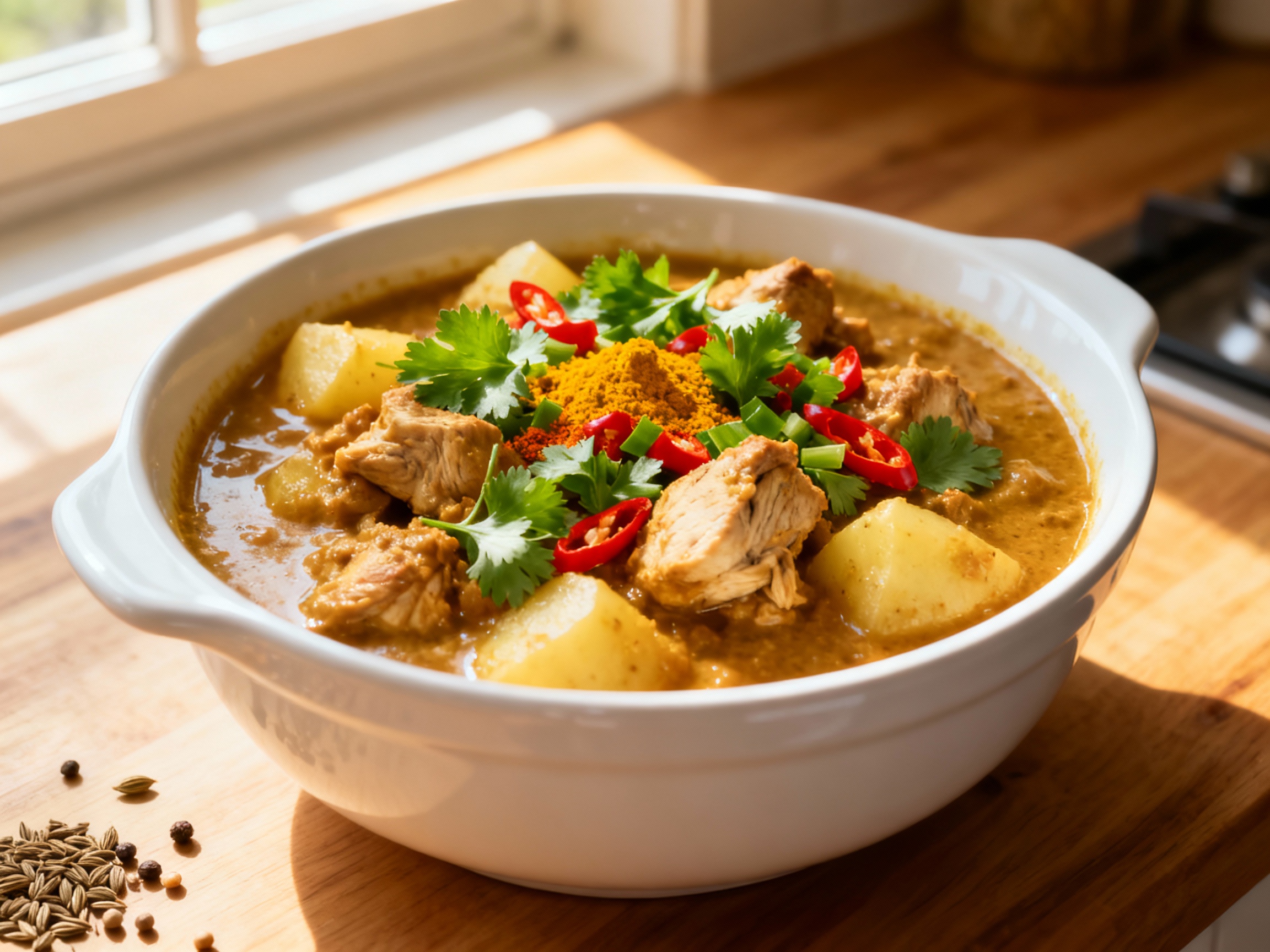
Each variation reflects local ingredients, historical influences, and cultural preferences. What they all share is the commitment to quality ingredients, patient preparation, and the understanding that biryani cannot be rushed. It's a dish that demands respect and rewards those who take the time to do it right.
Essential Techniques
Success with biryani depends on several key techniques. First, use aged basmati rice—it's longer, more aromatic, and less likely to become mushy. Soak it for 30 minutes before cooking to ensure even cooking. Second, don't overcook the rice during parboiling; it will finish cooking during the dum process. Third, seal the pot properly—traditionally with dough, though a tight-fitting lid wrapped in a kitchen towel works well.
The heat management is crucial. After sealing, cook on high heat for 3-4 minutes to build steam, then reduce to the lowest setting for 30-40 minutes. This gentle cooking allows the rice to steam while the bottom layer develops a crispy, caramelized crust called tahdig, which is considered the prize portion.
Serving and Accompaniments
Biryani is traditionally served directly from the pot, with layers carefully spooned out to ensure each serving contains rice, meat, and the treasured bottom layer. It's accompanied by raita (yogurt with cucumbers and spices), which cools the palate, and a simple salad of onions, tomatoes, and lemon. Some prefer it with shorba (a thin, spiced broth) or mirchi ka salan (a tangy chili curry). The dish is complete in itself—a perfect balance of protein, carbohydrates, and aromatics that needs little else.
Ingredients
- Main ingredient
- 2 tbsp spices
- 1 onion
- 3 cloves garlic
- 2 cups vegetables
- Oil and salt
Instructions
- Prepare ingredients
- Heat oil
- Sauté aromatics
- Add spices
- Cook until done