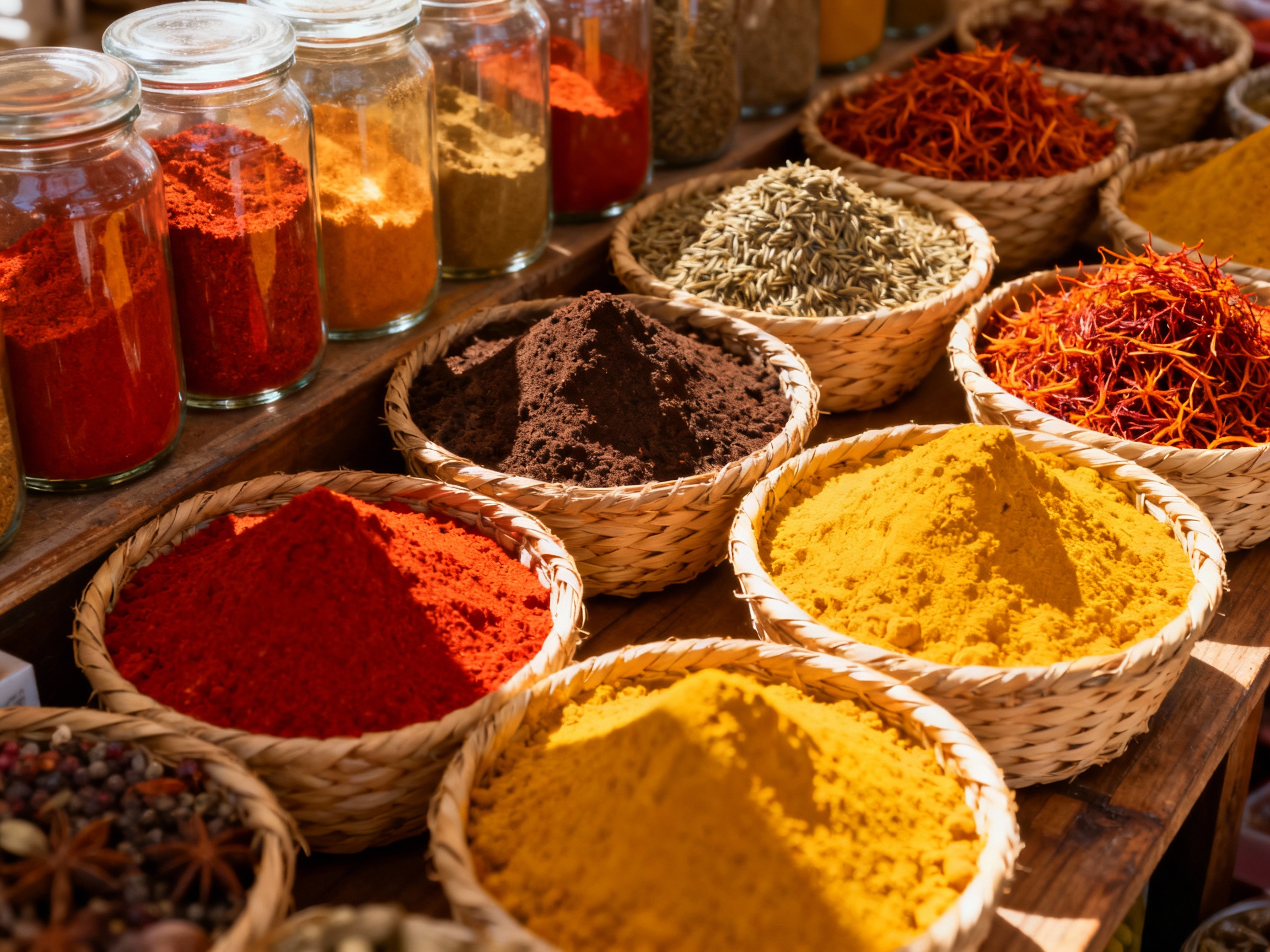
Stepping into a traditional spice market is a sensory explosion—a kaleidoscope of colors, an orchestra of aromas, and a testament to centuries of trade and culinary tradition. These vibrant bazaars offer more than just ingredients; they're living museums of cultural heritage and gastronomic history.
The Magic of Spice Markets Around the World
From Istanbul's Egyptian Bazaar to Mumbai's Crawford Market, from Marrakech's souks to Bangkok's Pak Khlong Talad, spice markets are the beating heart of culinary culture. Each market tells the story of its region—the spices that grow locally, those that arrived via ancient trade routes, and the unique blends that define regional cuisines.
In these markets, spices aren't sold in small jars but displayed in mountainous piles of vibrant powders and whole spices. Vendors are often third or fourth-generation spice sellers, with encyclopedic knowledge passed down through family lines. They can tell you not just what each spice is, but how to use it, what it pairs with, and why their particular batch is superior.
What You'll Find
Beyond the familiar cinnamon, cumin, and turmeric, spice markets offer treasures you won't find in typical grocery stores. Rare varieties like long pepper, grains of paradise, or stone flower await discovery. You'll find spice blends specific to dishes you've never heard of, medicinal herbs used in traditional healing, and aromatics that perfume everything from incense to desserts.
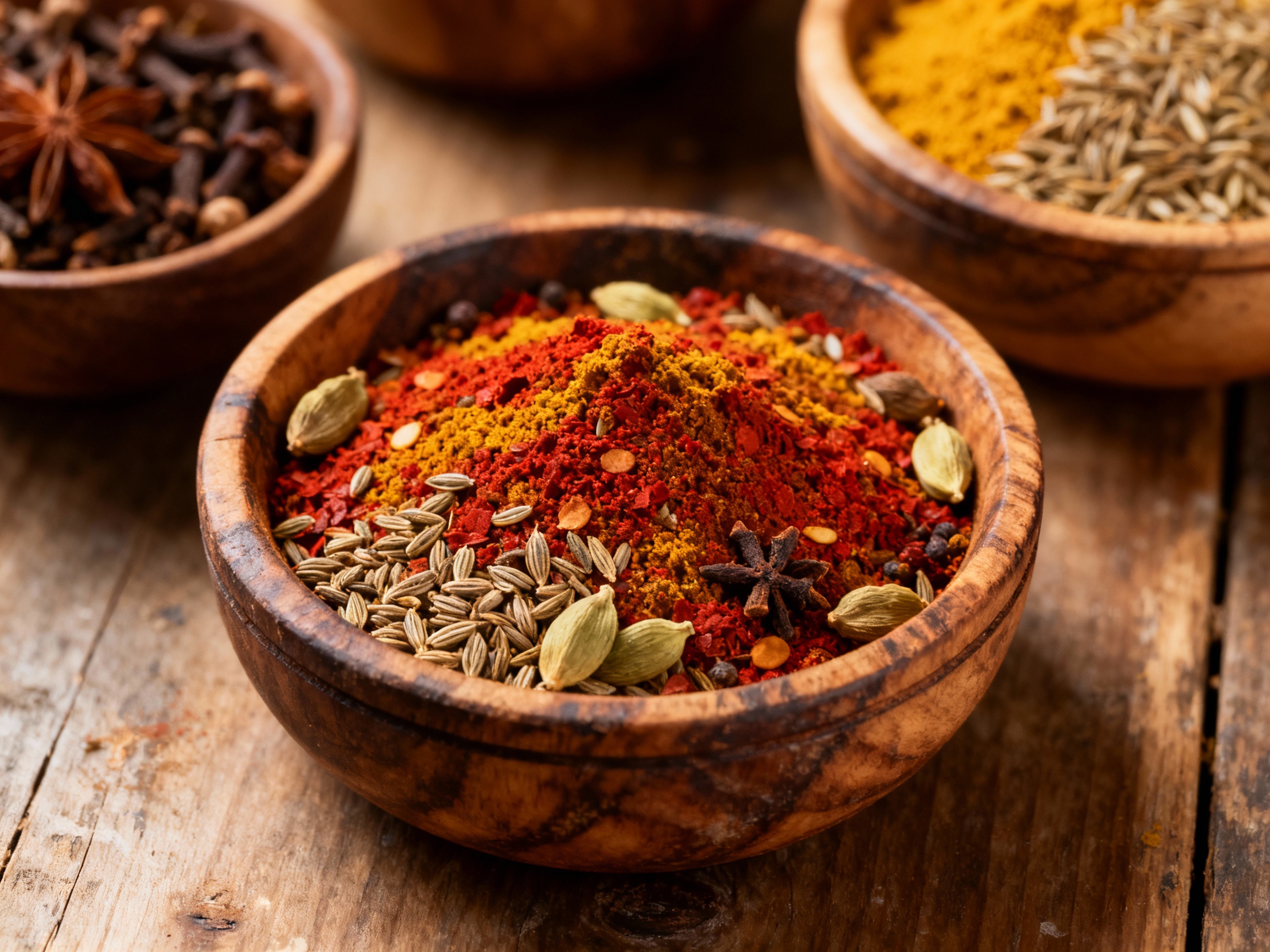
Fresh spices in markets are incomparable to their supermarket counterparts. The difference in potency and flavor is immediately apparent. Cardamom pods are plump and fragrant, saffron threads are vibrant and aromatic, and whole nutmegs are the size of small walnuts, waiting to be grated fresh.
Shopping Tips and Etiquette
When visiting a spice market, engage with vendors—ask questions, smell samples, and don't be afraid to bargain respectfully. Buy whole spices when possible, as they retain flavor far longer than pre-ground versions. Bring your own bags or containers, as this is often appreciated and environmentally friendly.
Start small with unfamiliar spices. A little goes a long way, and it's better to return for more than to waste expensive ingredients. Ask vendors for usage suggestions—many will share family recipes or traditional applications. Take notes or photos to remember what you bought and the vendor's recommendations.
Bringing the Market Home
The experience of visiting a spice market changes how you cook. You become more adventurous, more confident in experimenting with new flavors. Store your market finds properly in airtight containers away from light and heat. Label everything, especially if you've bought unfamiliar items. Most importantly, use your spices—they're meant to be enjoyed, not displayed. Let them inspire your cooking and connect you to the rich traditions of the markets where they were purchased.
Ingredients
- Main ingredient
- 2 tbsp spices
- 1 onion
- 3 cloves garlic
- 2 cups vegetables
- Oil and salt
Instructions
- Prepare ingredients
- Heat oil
- Sauté aromatics
- Add spices
- Cook until done