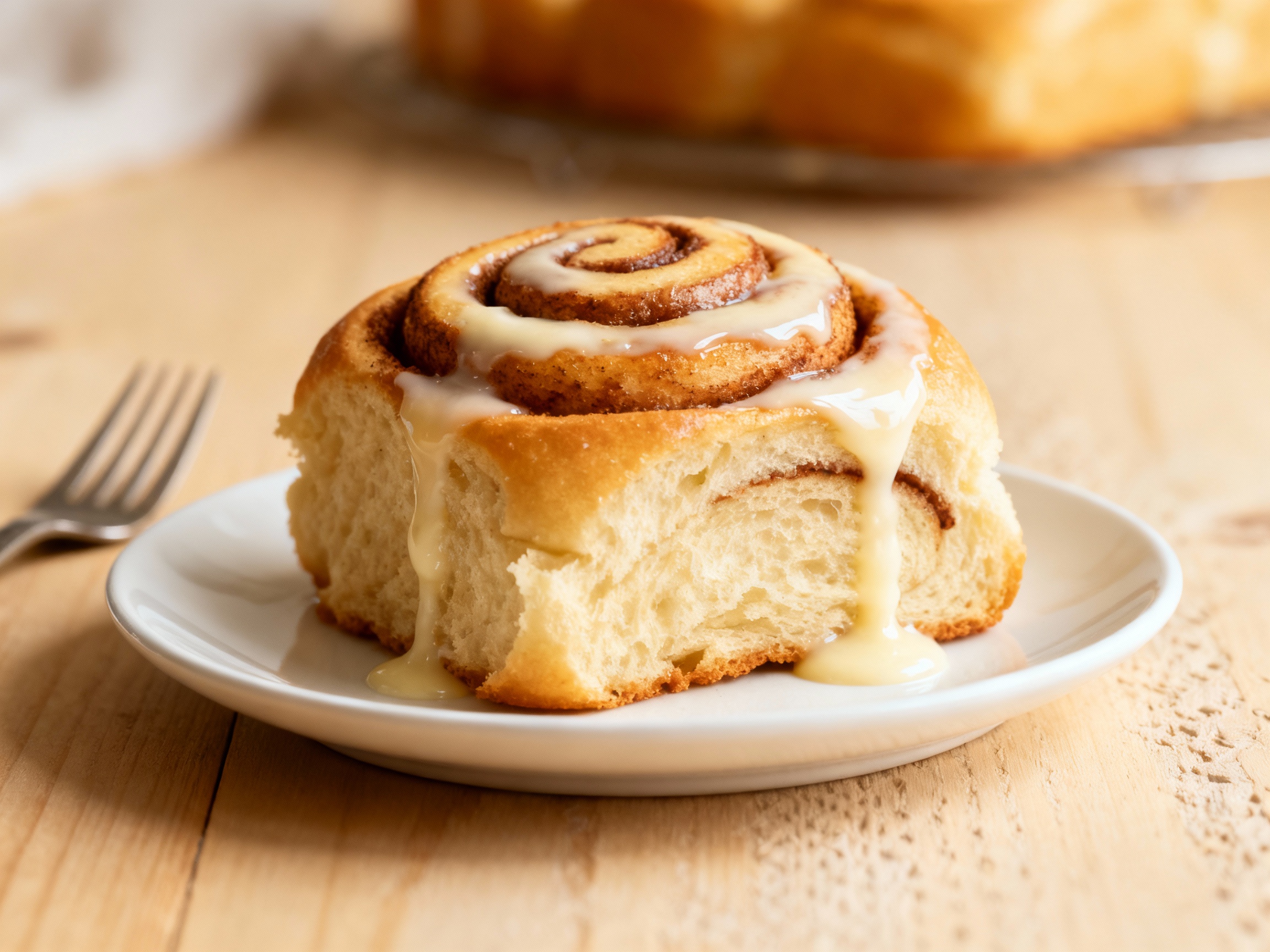
Few things compare to the aroma of fresh cinnamon rolls baking in the oven. These pillowy spirals of sweet dough, swirled with cinnamon sugar and topped with cream cheese frosting, are the ultimate comfort food and surprisingly achievable at home.
The Secret to Soft, Fluffy Rolls
The foundation of great cinnamon rolls is enriched dough—a soft, slightly sweet bread dough made with milk, butter, eggs, and sugar. Unlike lean bread doughs, enriched doughs create a tender, almost cake-like crumb that stays soft for days. The key is developing just enough gluten for structure without overworking the dough, which would make it tough.
Temperature control is crucial throughout the process. Use lukewarm liquid (around 110°F) to activate the yeast without killing it. Let the dough rise in a warm, draft-free spot until doubled—this might take 60-90 minutes depending on your kitchen temperature. Don't rush this step; proper fermentation develops flavor and texture.
Creating the Perfect Filling
The classic cinnamon roll filling is simple: softened butter, brown sugar, and cinnamon. The ratio matters—too much butter and the filling will leak out during baking, too little and it will be dry. Spread a thin, even layer of very soft butter across the rolled-out dough, leaving a small border. Then generously sprinkle with cinnamon sugar, using your hands to press it gently into the butter.
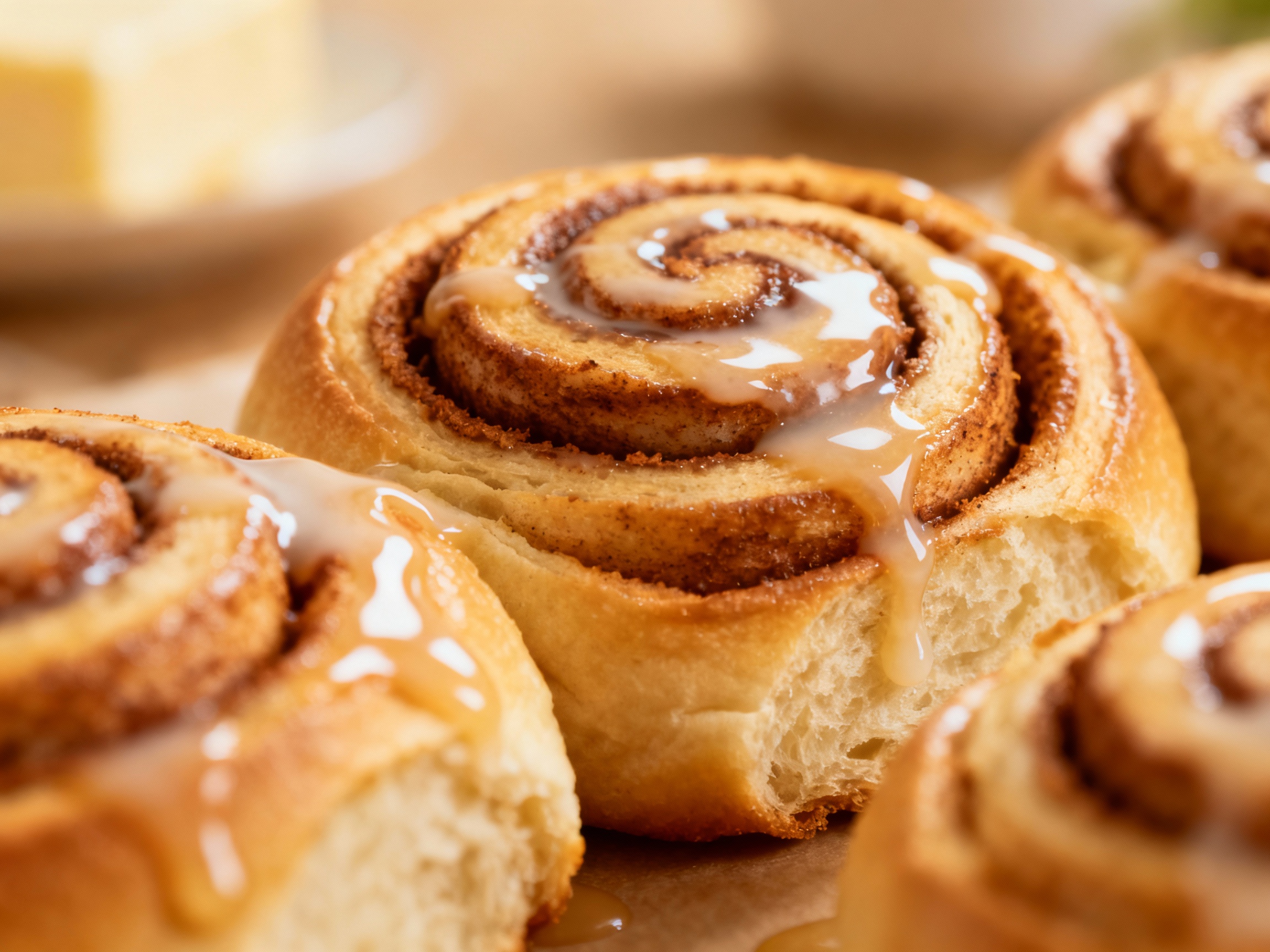
For extra decadence, consider additions like chopped pecans, raisins, or a layer of cream cheese. Some bakers add a touch of cardamom or nutmeg to the filling for complexity. The key is not to overfill—you want spirals that hold together, not ones that unravel during baking.
Rolling and Cutting Technique
Roll the filled dough into a tight log, starting from the long edge. Keep tension even as you roll to prevent gaps in the spirals. Use unflavored dental floss or a sharp serrated knife to cut the rolls—saw gently rather than pressing down, which squashes the delicate spirals. Aim for rolls about 1.5 to 2 inches thick.
Place the cut rolls in a buttered pan with a bit of space between them. During the second rise, they'll expand and touch, creating those characteristic soft, pull-apart sides. This second rise is just as important as the first—let them puff up until they look pillowy and have increased by about 50%.
Baking and Frosting
Bake the rolls until golden brown on top but still soft to the touch. They should spring back slightly when gently pressed. Overbaking creates dry rolls, so watch them carefully in the final minutes. The cream cheese frosting should go on while the rolls are still warm—it will melt slightly into the crevices, creating pockets of creamy sweetness. Serve immediately for the best experience, though they remain delicious reheated the next day.
Ingredients
- Main ingredient
- 2 tbsp spices
- 1 onion
- 3 cloves garlic
- 2 cups vegetables
- Oil and salt
Instructions
- Prepare ingredients
- Heat oil
- Sauté aromatics
- Add spices
- Cook until done