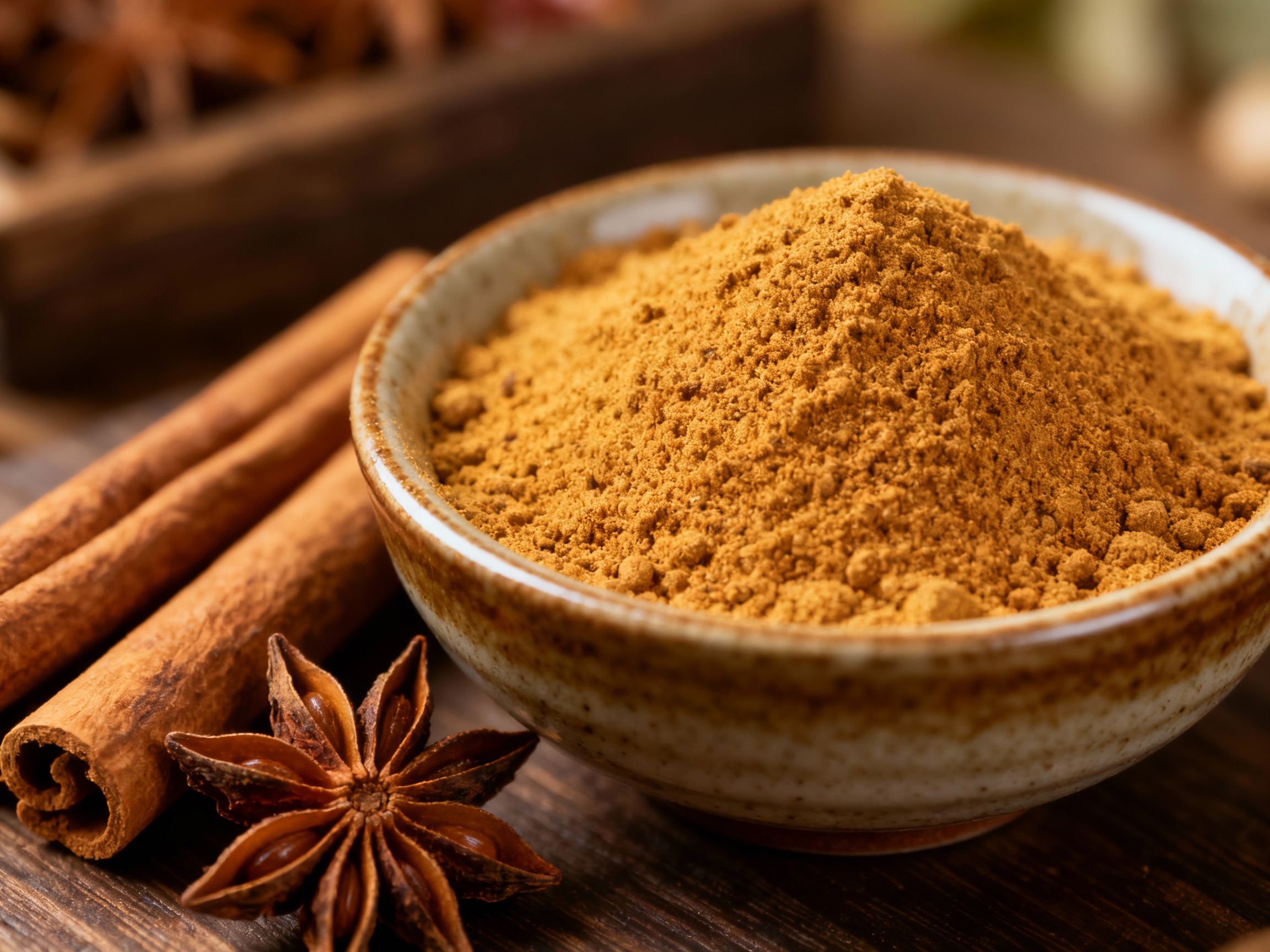
Chinese five spice powder is a masterpiece of balance, embodying the ancient Chinese philosophy of harmony between opposing forces. This powerful blend creates complex flavor with just a small amount, making it one of the world's most efficient and elegant spice mixtures.
The Philosophy Behind Five Spice
Chinese five spice represents the five fundamental flavors in Chinese cuisine: sweet, sour, bitter, pungent, and salty. More deeply, it reflects the five elements of Chinese philosophy—wood, fire, earth, metal, and water. Each spice corresponds to an element and flavor, creating cosmic balance in a single blend. This isn't just seasoning; it's culinary philosophy made tangible.
The traditional components are star anise, cloves, Chinese cinnamon (cassia), Sichuan peppercorns, and fennel seeds. Star anise dominates with its sweet licorice notes. Cloves add warmth and slight bitterness. Cinnamon provides familiar sweet spice. Sichuan peppercorns contribute unique numbing heat and citrus notes. Fennel seeds round it out with mild anise flavor and slight sweetness.
Making and Using the Blend
For the freshest five spice, buy whole spices and grind them yourself. Toast each spice separately, as they require different times to release oils without burning. Cool completely before grinding to a fine powder. The typical ratio is 2 parts star anise to 1 part each of the other spices, though variations exist across regions and families.
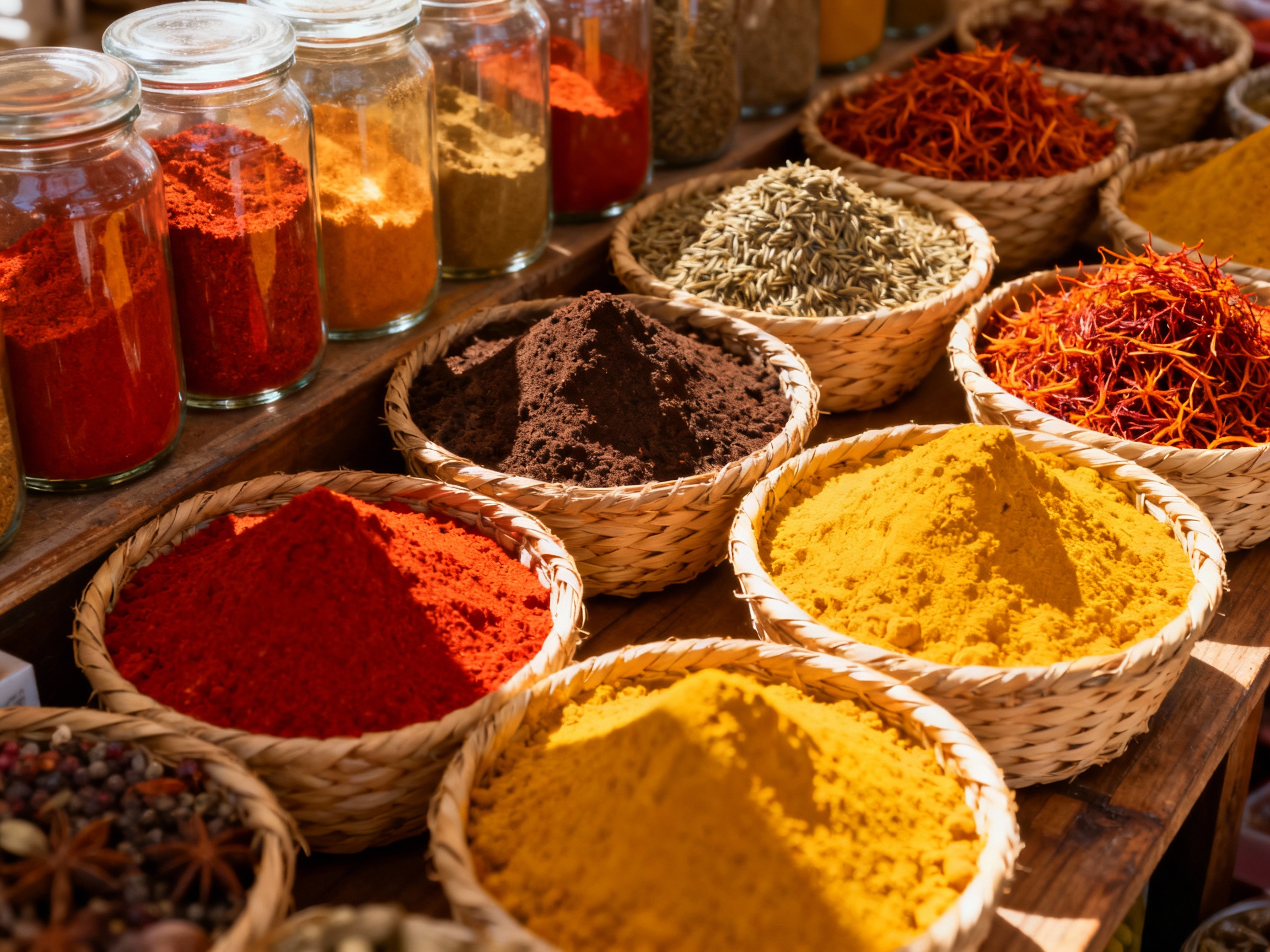
Chinese five spice is potent—a little goes a long way. It's traditionally used in marinades for roasted meats, especially pork and duck. Mix it with salt for a dry rub, combine with soy sauce and rice wine for marinade, or dust it over roasted vegetables. The blend works beautifully with fatty meats, as the richness balances the intense spices.
Beyond Traditional Applications
While classic uses include Peking duck, char siu pork, and tea eggs, modern cooks have discovered five spice's versatility. It adds intrigue to braised dishes, depth to stir-fries, and complexity to stocks and broths. Some bakers incorporate it into cookies or cakes for sophisticated warmth. It's excellent with sweet potatoes, in mulled wine, or even in chocolate desserts.
The blend pairs surprisingly well with Western ingredients. Try it on roasted chicken, rubbed on salmon before grilling, or mixed into burger patties. It elevates simple roasted nuts to addictive snacks and adds dimension to popcorn. The key is using restraint—start with a quarter teaspoon and build from there.
Variations and Regional Differences
While the name suggests five ingredients, some blends include additional spices like ginger, nutmeg, or licorice root. Northern Chinese versions might emphasize warmth with extra cinnamon, while southern blends could include dried orange peel for brightness. Vietnamese five spice often includes coriander seeds. These variations show how the basic concept adapts to regional tastes while maintaining the essential balance.
Store five spice in an airtight container in a cool, dark place. Because of the volatile oils in star anise and Sichuan pepper, it loses potency faster than many spice blends—use within three to four months for best results. Make small batches to ensure freshness, and let this ancient blend teach you about balance, restraint, and the power of harmonious flavors working together.
Ingredients
- Main ingredient
- 2 tbsp spices
- 1 onion
- 3 cloves garlic
- 2 cups vegetables
- Oil and salt
Instructions
- Prepare ingredients
- Heat oil
- Sauté aromatics
- Add spices
- Cook until done