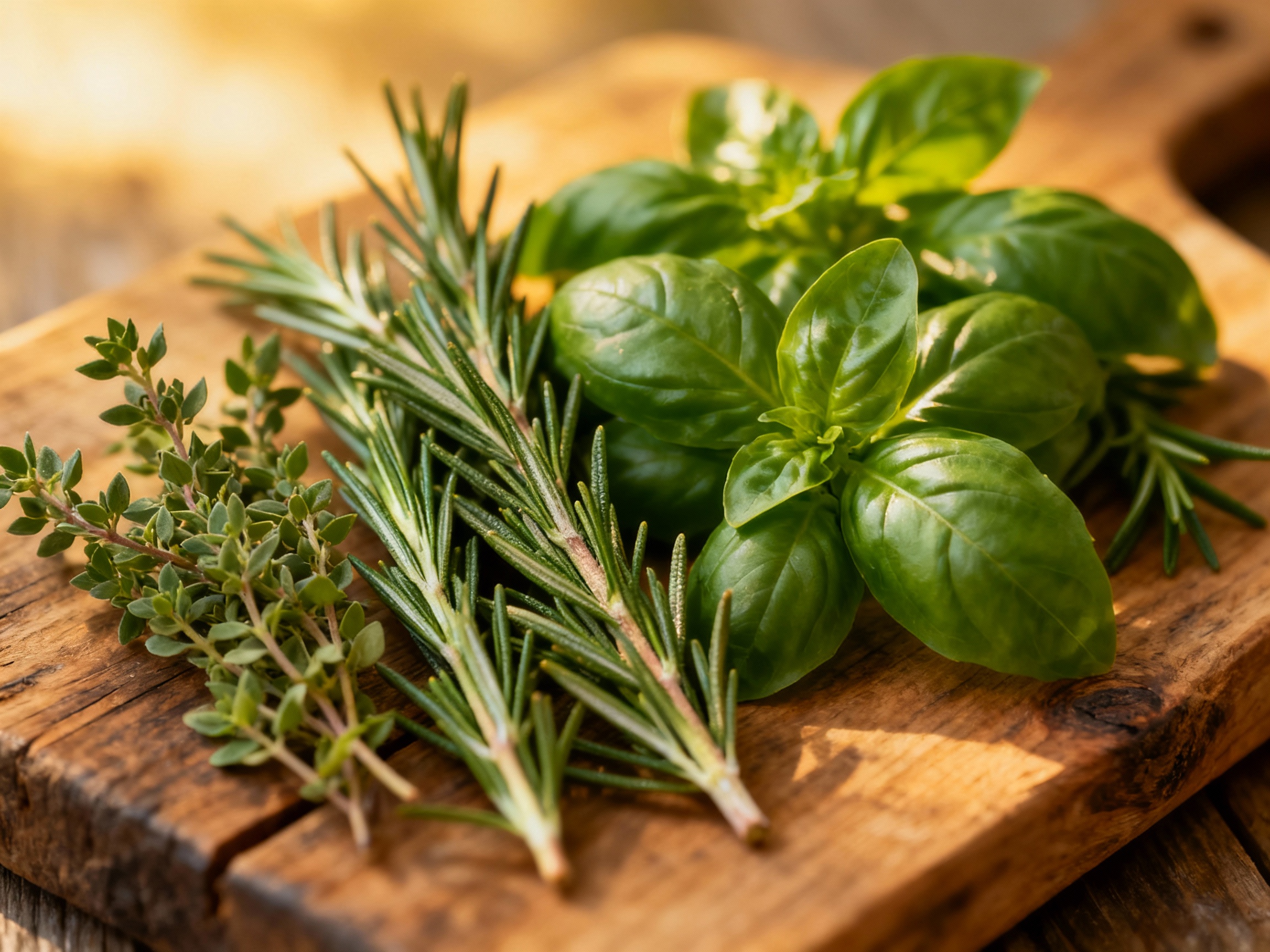
Italian herb blend, or Italian seasoning, is the shortcut to Mediterranean flavor. This aromatic mixture of dried herbs captures the essence of Italian cooking, transforming simple ingredients into dishes that taste like they simmered all day in a Tuscan kitchen.
The Classic Italian Herb Combination
Traditional Italian seasoning combines the foundational herbs of Mediterranean cooking: basil, oregano, rosemary, thyme, and sometimes marjoram or sage. Each herb plays a specific role. Basil provides sweet, slightly peppery notes. Oregano adds earthy, robust flavor. Rosemary contributes pine-like aromatics. Thyme offers subtle, savory undertones. Together, they create a balanced blend that's greater than individual parts.
The proportions matter. Too much rosemary can be overpowering and medicinal. Too little oregano and the blend tastes flat. A good starting ratio is equal parts basil, oregano, and thyme, with half as much rosemary and marjoram. Crushed red pepper flakes are sometimes added for gentle heat, though this is optional and not traditional.
Fresh vs. Dried: Understanding the Difference
While fresh herbs are wonderful in many applications, Italian seasoning specifically uses dried herbs. Drying concentrates flavors and changes the character—dried oregano is more intense and earthy than fresh, while dried basil loses some brightness but gains depth. The blend works because dried herbs release flavor slowly during cooking, infusing dishes gradually.
When making your own blend, start with quality dried herbs that still have color and aroma. If they smell like hay or dust, they're too old. Crush the herbs between your fingers before mixing to release oils. Store in an airtight container away from light and heat. Well-stored Italian seasoning maintains potency for about six months.
Using Italian Seasoning Effectively
Italian seasoning shines in tomato-based sauces, where it has time to bloom and release flavors. Add it early in cooking for deeper integration, or sprinkle at the end for brighter herbal notes. It's excellent in marinades for chicken or pork, mixed into meatballs or meatloaf, or stirred into ricotta for lasagna filling.
Beyond Italian dishes, this blend works wonderfully on roasted vegetables, in salad dressings, or mixed with olive oil for dipping bread. Try it on pizza before adding cheese, in focaccia dough, or sprinkled over creamy soups. The key is using it in applications with fat (olive oil, butter, cheese) which carries and enhances the aromatic compounds.
Elevating Store-Bought vs. Homemade
Commercial Italian seasoning is convenient and consistent, but homemade blends offer superior freshness and customization. Make small batches frequently rather than large amounts that go stale. Experiment with ratios to suit your taste—maybe you love basil and want more, or prefer a hint of sage for earthiness.
For the ultimate Italian seasoning experience, source quality dried herbs from specialty spice shops rather than supermarket brands. The difference in potency and flavor is remarkable. When you open your homemade blend, you should be hit with intense herbal aroma. That's when you know you've created something special—a blend that truly captures the spirit of Italian cooking and transforms your pasta nights from routine to remarkable.
Ingredients
- Main ingredient
- 2 tbsp spices
- 1 onion
- 3 cloves garlic
- 2 cups vegetables
- Oil and salt
Instructions
- Prepare ingredients
- Heat oil
- Sauté aromatics
- Add spices
- Cook until done