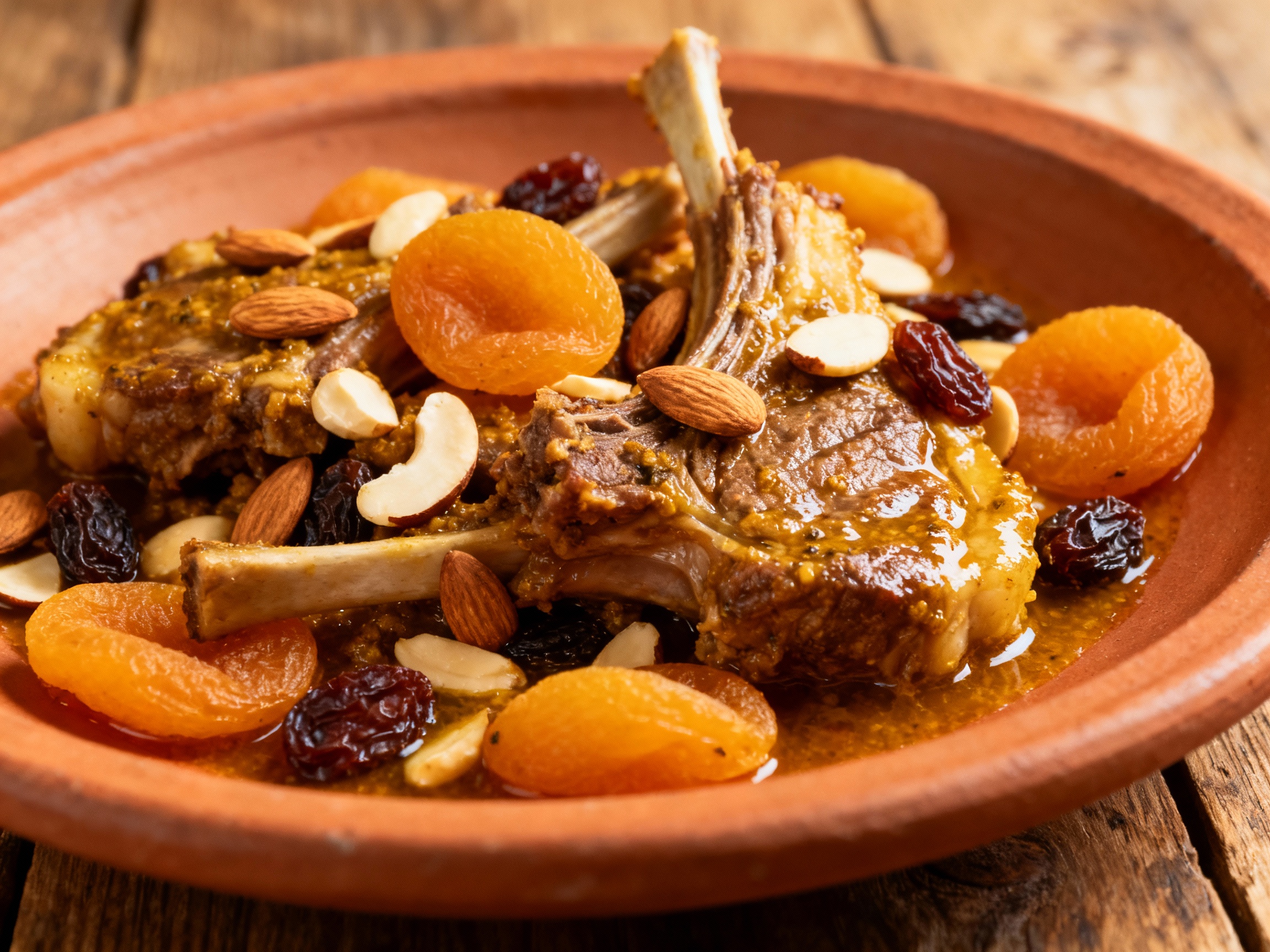
Moroccan cuisine is a sensory journey, and spiced lamb sits at its heart. This dish embodies the complexity of North African cooking, where sweet and savory dance together, and every bite tells the story of ancient spice routes and cultural fusion.
The Moroccan Spice Palette
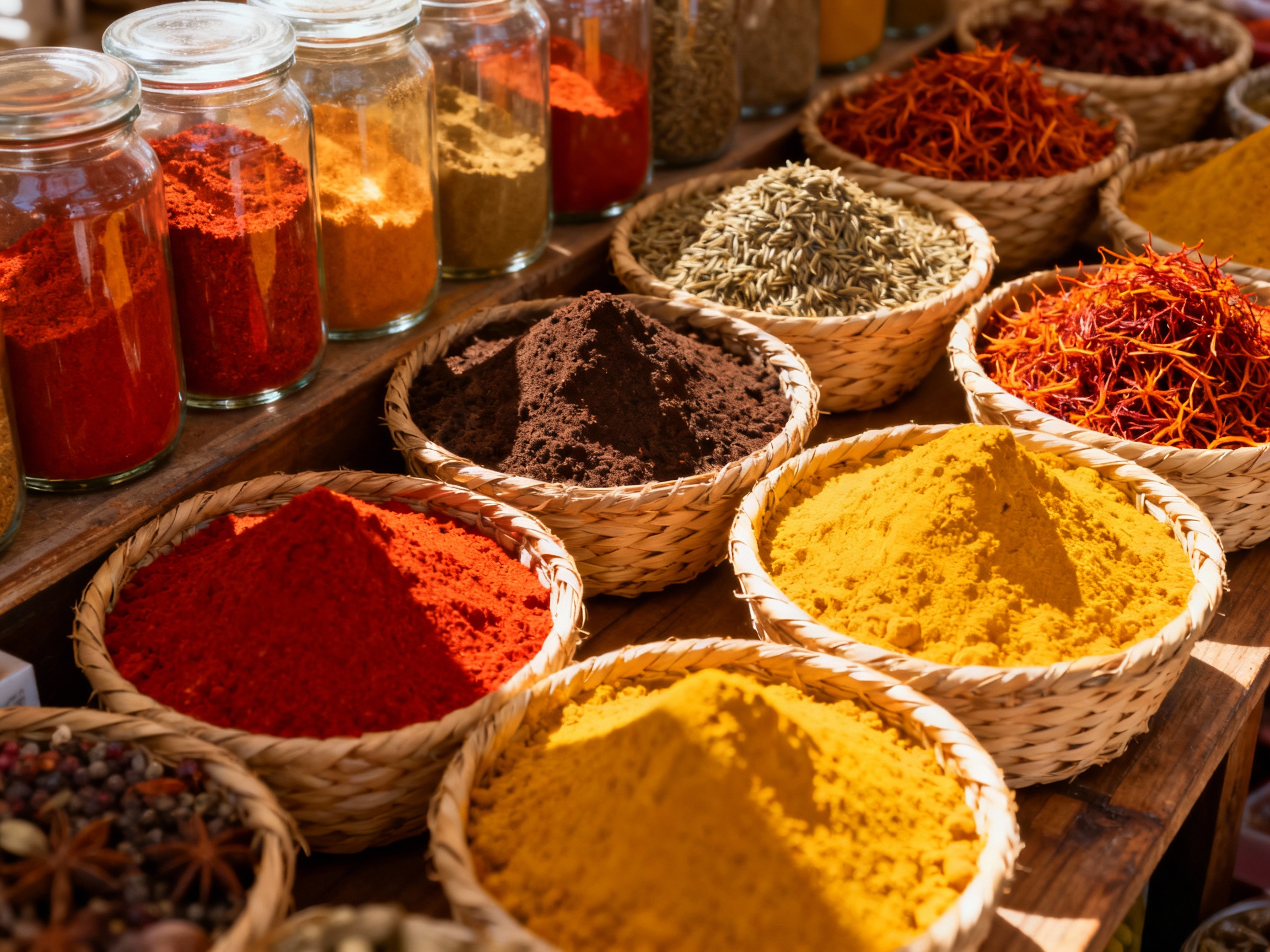
Moroccan cooking relies on specific spice combinations that create its distinctive flavor profile. Ras el hanout, meaning "head of the shop," is the master blend—potentially containing up to 30 different spices. Common components include cumin, coriander, cinnamon, ginger, paprika, turmeric, cardamom, and sometimes rose petals or lavender. Each spice merchant has a secret recipe, making every batch unique.
What makes Moroccan spicing special is the balance between warming spices and subtle sweetness. Cinnamon appears in savory dishes, dried fruits like apricots or dates add natural sugar, and honey often glazes the meat. This sweet-savory combination might seem unusual to Western palates, but it creates incredible depth and complexity.
Choosing and Preparing the Lamb
Lamb shoulder is ideal for Moroccan preparations—its marbling keeps the meat moist during long, slow cooking, and the connective tissue breaks down into silky gelatin. Cut the meat into generous chunks, leaving some fat for flavor. Bone-in pieces add even more richness, though boneless works well too for easier eating.
The cooking method is forgiving and essential. Whether you're making a tagine, a stew, or braised lamb, the principle remains: brown the meat well to develop flavor, build layers with aromatics and spices, add liquid, then cook low and slow until the lamb is fall-apart tender. This could take 2-3 hours, but the hands-off cooking time allows flavors to meld beautifully.
Traditional Accompaniments
Moroccan spiced lamb is traditionally served with fluffy couscous, which absorbs the aromatic sauce perfectly. The couscous should be steamed, not boiled, for light, separate grains. Some preparations include preserved lemons, which add a unique fermented citrus note that brightens the rich meat. Olives, either green or kalamata, contribute briny complexity.
Fresh herbs are essential—cilantro and parsley are scattered generously over the finished dish, adding color and freshness. Toasted almonds or pine nuts provide textural contrast and nutty richness. A simple salad of tomatoes and cucumbers on the side cuts through the richness with its crisp, refreshing acidity.
Modern Adaptations
While traditional tagine cooking requires a clay vessel, modern cooks achieve excellent results with heavy Dutch ovens or slow cookers. The key is maintaining gentle, even heat and a tight seal to trap moisture. Some cooks finish the dish in the oven for better browning, while others prefer stovetop cooking for more control.
Don't be intimidated by the exotic spices—many are common pantry items. Start with a basic blend and adjust to your taste. The beauty of Moroccan cooking is its flexibility; recipes are guidelines, not rules. Each cook brings their own touch, and with practice, you'll develop your signature spice balance that makes the dish uniquely yours.
Ingredients
- Main ingredient
- 2 tbsp spices
- 1 onion
- 3 cloves garlic
- 2 cups vegetables
- Oil and salt
Instructions
- Prepare ingredients
- Heat oil
- Sauté aromatics
- Add spices
- Cook until done