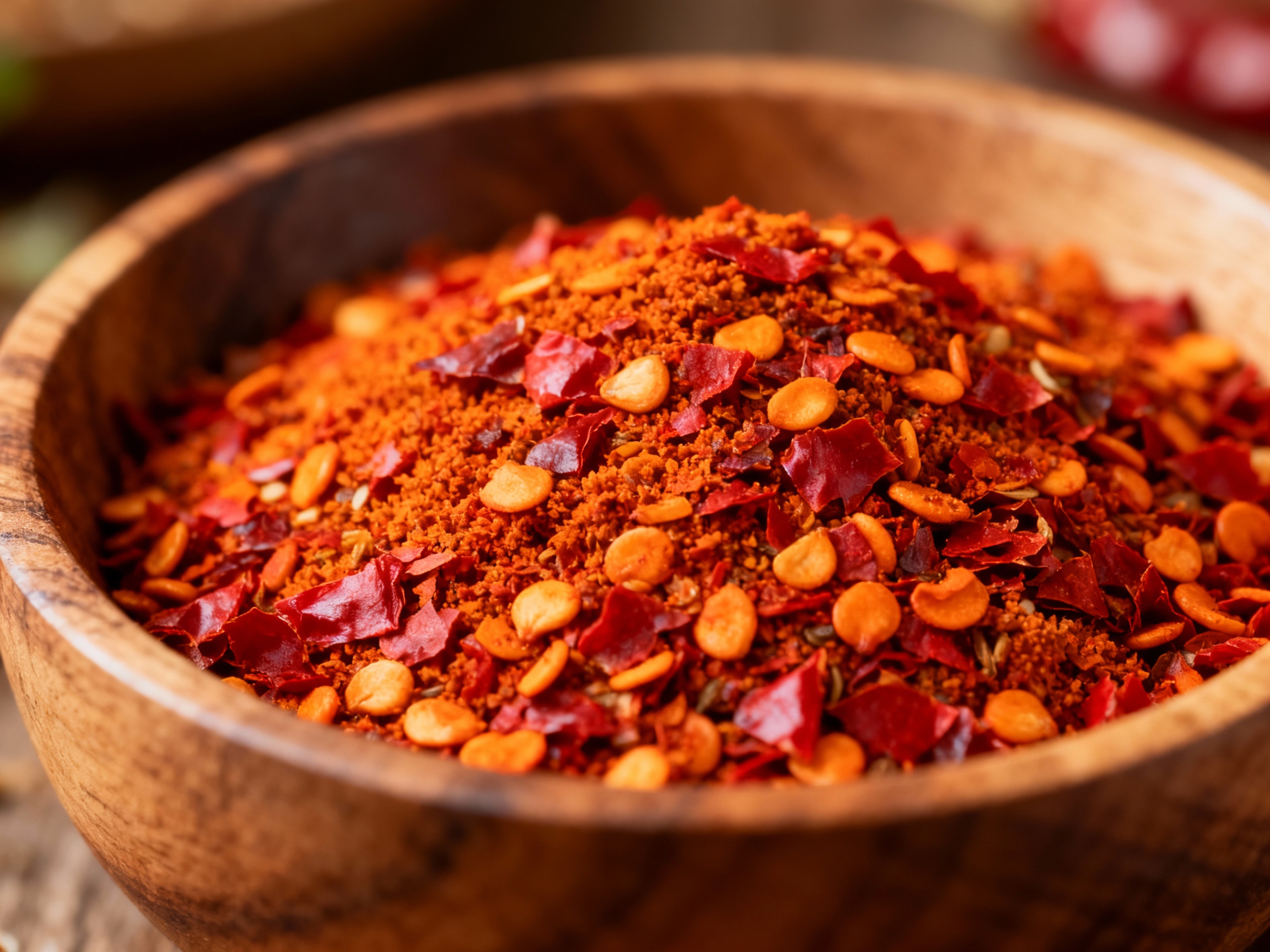
Cajun seasoning captures the bold, unapologetic spirit of Louisiana cooking. This robust blend brings together heat, herbs, and aromatics in perfect harmony, transforming everything it touches with the soulful flavors of the American South.
The History of Cajun Spice
Cajun cuisine evolved from the resourcefulness of French Acadians who settled in Louisiana in the 18th century. Working with limited ingredients and incorporating local flavors, they created a distinctive cooking style characterized by bold seasonings and one-pot meals. Cajun seasoning reflects this heritage—a practical blend that could season an entire dish from a single jar.
Traditional Cajun seasoning combines paprika, cayenne pepper, garlic powder, onion powder, black pepper, oregano, and thyme. The proportions create a balance where heat is present but doesn't overwhelm, and the herbs provide aromatic depth. Unlike its cousin Creole seasoning, which tends to be more refined, Cajun seasoning is rustic and assertive.
Building Your Blend
The foundation is paprika—it provides bulk, mild sweetness, and that signature reddish color. Smoked paprika adds depth, while sweet paprika keeps it balanced. Cayenne brings the heat; adjust the amount based on your spice tolerance. Garlic and onion powders (not salts) provide savory backbone without moisture that could cause clumping.
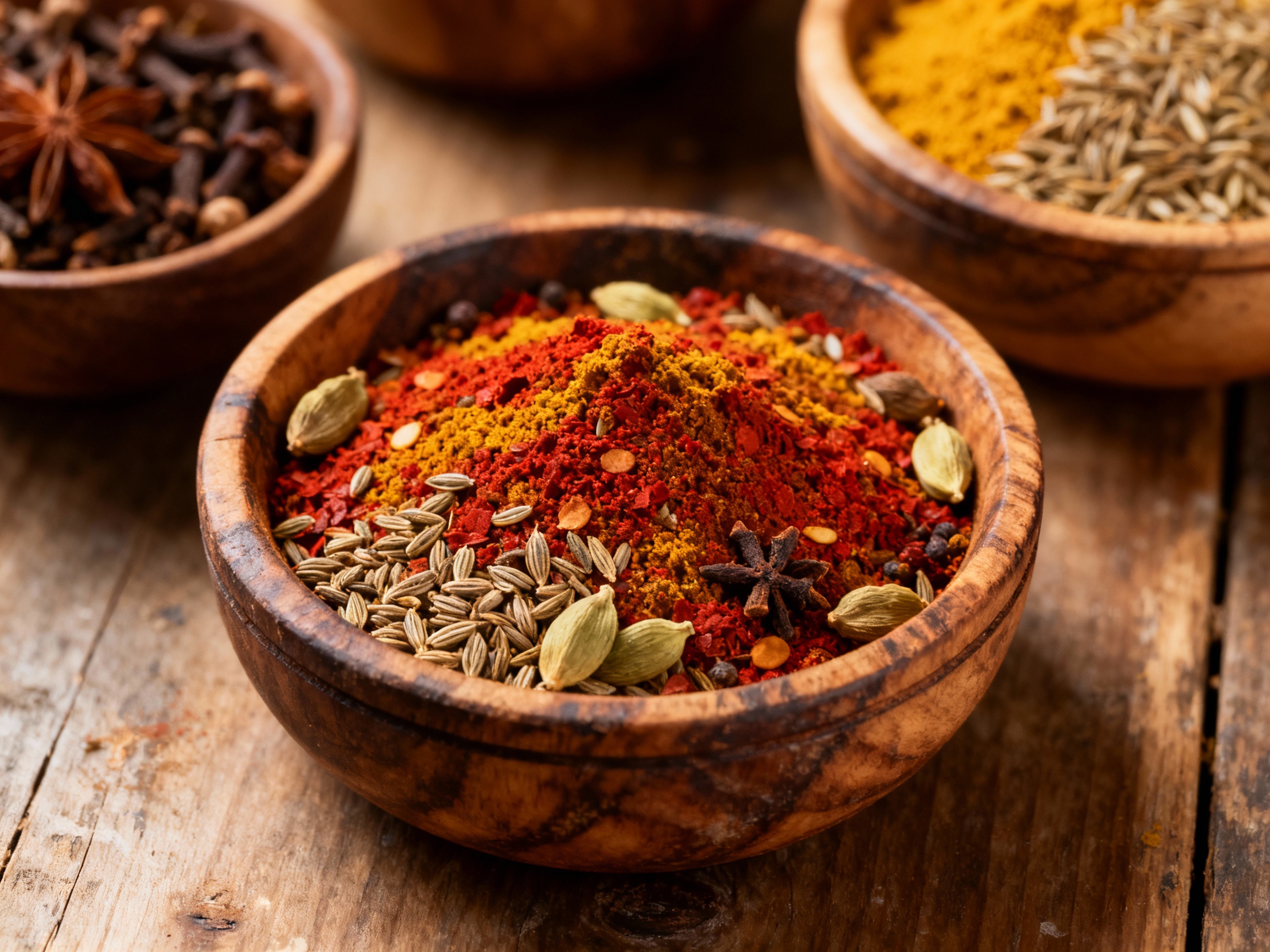
Black pepper adds sharp heat that differs from cayenne's slow burn. Oregano and thyme contribute herbal notes—use dried, not fresh, as they distribute more evenly. Some blends include white pepper for additional complexity, while others add a touch of sugar to balance the heat and enhance caramelization during cooking.
Cooking with Cajun Seasoning
Cajun seasoning shines in traditional Louisiana dishes: blackened fish or chicken, jambalaya, gumbo, and red beans and rice. But its applications extend far beyond regional cuisine. Use it to season roasted vegetables, sprinkle on popcorn, mix into burger patties, or add to scrambled eggs. It's excellent in dry rubs for grilled meats and adds depth to soups and stews.
The key to using Cajun seasoning is layering. Apply it generously but not excessively—you want bold flavor, not overwhelming heat. When blackening proteins, coat them heavily and cook in a screaming hot cast-iron skillet with butter. The seasoning will form a dark, flavorful crust that's the hallmark of proper blackened cooking.
Customization and Storage
Make Cajun seasoning your own by adjusting ratios or adding personal touches. Love heat? Increase the cayenne. Want more complexity? Add ground mustard or celery seed. Prefer less sodium? Make a salt-free version and add salt separately when cooking. This flexibility is part of the Cajun tradition—every cook had their own special blend.
Store your homemade blend in an airtight container in a cool, dark place. It will maintain optimal flavor for about six months, though it remains usable much longer. Make it in larger batches—once you discover how versatile Cajun seasoning is, you'll use it constantly. Keep a shaker jar on your counter for easy access, and watch how it transforms everyday cooking into something special.
Ingredients
- Main ingredient
- 2 tbsp spices
- 1 onion
- 3 cloves garlic
- 2 cups vegetables
- Oil and salt
Instructions
- Prepare ingredients
- Heat oil
- Sauté aromatics
- Add spices
- Cook until done